
Reading a Modular Kitchen Quote Line by Line: What Drives the Rate and What’s Actually Negotiable

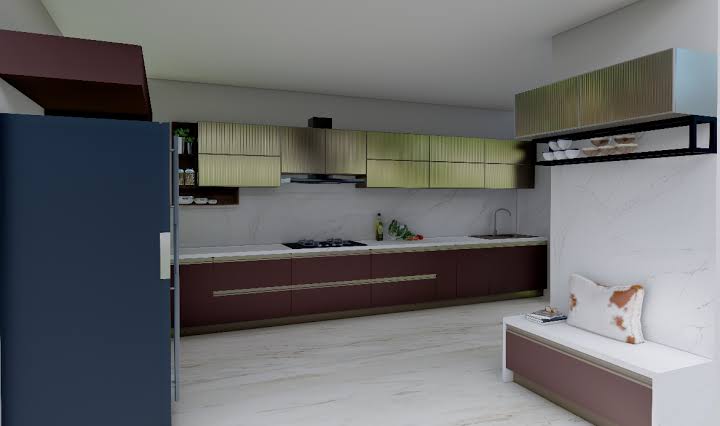
You asked three suppliers for a quote, and now you’re holding three very different numbers for what looks like the same kitchen. One seems too cheap to trust. One makes you wince. The third lands somewhere in the middle, with a breakdown so vague you can’t tell what you’re really paying for.
Modular kitchen quotes are notoriously hard to read. They fold dozens of choices into a single figure, and that figure rarely tells the full story.
Let’s walk through a quote line by line, unpack what drives the rate, and pinpoint exactly where there’s room to bargain.
Why Two Quotes for the “Same” Kitchen Look So Different
Here’s the trap most buyers fall into: assuming the lowest headline number is the best deal. It rarely is.
Two quotes can describe an identical layout yet deliver completely different kitchens. The gap hides in the specifications, the core board, the hardware, the finish, and whatever quietly gets left out. A cheap quote often earns its price by skimping on the parts you can’t see, then charging you later for the extras you assumed were included.
The takeaway is simple: never compare price alone. Compare what each price actually buys.
The Anatomy of a Modular Kitchen Quote
Before you can judge a quote, you need to know its parts. A good modular kitchen design breaks into a handful of clear cost drivers, and each one deserves a closer look.
1. The Carcass (Your Kitchen’s Skeleton)
The carcass is the boxwork behind the doors, and it’s where quality quietly lives. Plywood costs more than particle board or MDF, but it handles moisture and weight far better over the years. In a humid climate or a hard-working kitchen, that difference shows.
If a quote feels suspiciously cheap, the carcass is often the first place corners were cut. Always ask what board is being used and what grade it is.
2. Shutters and Finishes
The shutters, or door fronts, shape how your kitchen looks and how much you pay. Laminate is the affordable, durable workhorse. Acrylic gives a glossy, premium feel. Lacquered glass and membrane finishes sit higher still.
Finishes are one of the biggest swings in any quote, so this is a natural place to balance taste against budget. A mid-range finish on a solid carcass usually beats a premium finish on a weak one.
3. Hardware (The Quiet Spender)
Hinges, channels, and drawer runners seem minor until you multiply them across every door and drawer. Soft-close mechanisms and quality runners cost more upfront, but they’re the difference between a kitchen that feels solid in year five and one that starts sagging in year two.
Judge hardware with your hands. Open every drawer, give it a firm tug, and notice whether it glides or grinds.
4. Countertops, Backsplashes, and Accessories
These often sit outside the headline figure, which is exactly why budgets balloon. Granite, quartz, and solid surface each carry different price tags. Internal organizers, pull-out pantries, corner carousels, and cutlery trays all stack on top of the base structure.
Confirm what counts as standard and what’s flagged as an upgrade before you sign anything.
What Actually Drives the Rate?
A quote isn’t just a parts list. Several factors multiply across the whole project, and understanding them helps you see why one modular kitchen rate lands higher than another.
- Material grade: Plywood versus particle board changes the baseline for the entire kitchen.
- Finish choice: Acrylic and lacquered fronts cost noticeably more than laminate.
- Hardware brand and type: Premium soft-close systems add up fast across every unit.
- Layout complexity: Straight runs are cheaper than corners, angles, and custom shapes.
- Accessories and organizers: Each pull-out and specialized fitting is a separate line item.
- Installation and finishing: Site work, leveling, and adjustments carry labor costs that vary by supplier.
Notice how many of these come down to choices rather than fixed prices. That’s good news, because choices are where your negotiating power lives.
How Layout Complexity Shapes the Price?
Two kitchens of the same size can cost very differently depending on their shape. Corners are expensive. They need special mechanisms to make dead space usable, and they take more cutting and labor.
An l shape modular kitchen design makes a helpful case study. It’s one of the most popular layouts because it uses a corner efficiently and suits both compact and open-plan spaces. But that single corner is also where cost quietly climbs, since a good l shape modular kitchen design usually needs a carousel or pull-out unit to reclaim the awkward space behind the join.
The lesson isn’t to avoid corners. It’s to know that layout complexity is a genuine cost driver, and to make sure any corner solution truly earns its place rather than padding the bill.
What’s Actually Negotiable (and What Isn’t)
Here’s the part most buyers wish they’d known sooner. Not everything in a quote is fixed, and knowing the difference changes how you spend.
Room to Negotiate
- Finishes: Switching one or two units to a simpler finish frees up real budget without hurting daily use.
- Accessories: Many organizers can be added later, so drop the non-essential ones from the initial quote.
- Bundled extras: Chimneys, hobs, and sinks are often marked up. Ask whether you can source them separately.
- Countertop material: A slightly less premium stone can trim cost with little visible difference.
- Overall discount: Suppliers usually build in margin, especially on larger projects. It’s fair to ask.
Where to Hold Firm
- Core board quality: This protects your whole investment. Don’t trade it away to hit a number.
- Hardware on daily-use drawers: Cheap runners fail first and cost you in repairs.
- Concealed and structural elements: Anything hard to replace later is worth paying for now.
The rule of thumb: negotiate on the things you can upgrade or add later, and stand firm on the things built to last.
A Simple Checklist Before You Sign
Run through these questions with every quote in front of you:
- What core board is used, and what grade?
- Which finishes are standard, and which are upgrades?
- What hardware brand and type is included, and what’s the warranty?
- Are countertops, appliances, and accessories inside or outside the price?
- How is the corner or complex layout being handled, and at what cost?
- What exactly does installation cover?
If you can answer all six for each supplier, you’re comparing kitchens, not just numbers. And when you understand your modular kitchen design at this level of detail, the whole conversation shifts in your favor.
Conclusion
A modular kitchen quote isn’t a single price. It’s a stack of decisions, and each one is worth understanding. Read every line, judge the carcass and hardware as closely as the finish, and recognize that layout complexity and accessories are where costs quietly climb. Negotiate confidently on finishes, extras, and bundled appliances, but hold firm on the structural quality that has to last.


