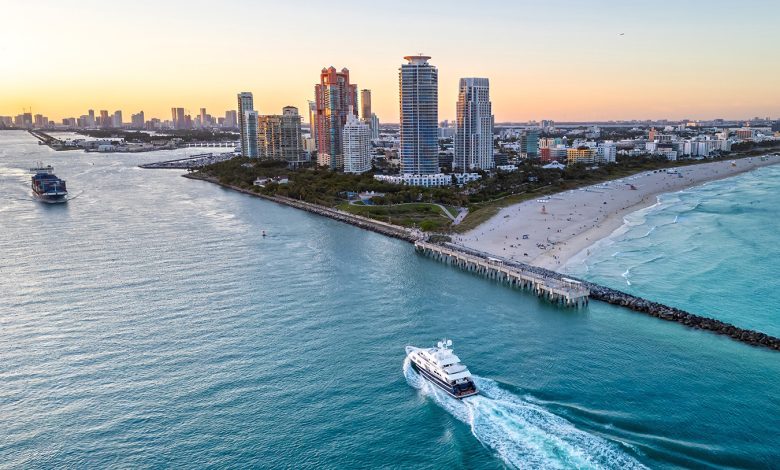
Coastal real estate can be compelling for obvious reasons: water views, beach access, boating, walkable downtowns, and a different pace of life. But no two coastal markets work the same way. A buyer comparing Maine, New England shoreline communities, the Gulf Coast, or the West Coast needs to look beyond photos and asking prices to understand the practical realities of ownership.
For buyers evaluating homes in and around Southern Maine, Portland ME real estate agent Ana Dierkhising provides local market guidance through Ana T.L. Dierkhising’s real estate website, which offers buyer and seller services, home searches, neighborhood information, valuations, and luxury real estate insight. Her experience across Maine and New England, as well as in San Francisco, can be especially useful for buyers comparing distinctive coastal communities, property types, and lifestyle priorities.
Why Coastal Markets Need A Closer Look
Two coastal towns may be only an hour apart, yet offer entirely different buying experiences. One may have limited land, high walkability, and steady demand for smaller historic homes. Another may offer more square footage and privacy, but longer drives, fewer year-round businesses, and greater exposure to wind or winter weather. Tourism, employment, local development rules, school systems, and access to transportation all influence demand.
It is also important to compare similar homes. Luxury waterfront properties, entry-level condos, primary residences, and vacation homes often follow different inventory and pricing patterns within the same town. A broad statement that a coastal market is “hot” or “slow” rarely tells a buyer enough about the specific segment they want to enter.
Start With The Buyer’s Main Goal
The right coastal market depends on why you are buying. Define the goal before touring homes, because it will determine which tradeoffs are acceptable.
- Primary residence: Prioritize healthcare, schools, grocery access, reliable utilities, commuting routes, and services that remain available throughout the year.
- Second home: Consider travel time, airport access, privacy, winterization, security, and ease of monitoring when vacant.
- Rental property: Review local licensing, zoning, occupancy limits, taxes, management fees, and realistic demand outside peak season.
- Long-term investment: Study supply constraints, infrastructure plans, employer base, resale appeal, and the availability of comparable homes.
Compare The Full Cost Of Ownership
A lower purchase price does not always mean a less expensive home. Coastal ownership can include expenses that are easy to overlook during an initial search. Build an annual estimate for each property, then compare the totals side by side.
What To Include In Your Comparison
- Mortgage principal, interest, property taxes, and homeowners’ insurance.
- Flood, wind, or specialty coverage, including deductibles.
- Heating, cooling, water, septic, and utility costs.
- Roof, siding, deck, drainage, dock, seawall, and landscaping maintenance.
- Condominium dues, reserve contributions, and the possibility of special assessments.
- Private-road costs, snow removal, property management, and rental commissions when applicable.
For example, Home A may cost less up front but need roof work, carry higher insurance premiums, and sit on a private road. Home B may have a higher list price, but newer systems, lower maintenance needs, and stronger year-round access. The better choice is the one that fits the buyer’s complete budget and intended use.
Review Location Beyond The View
Views can be memorable, but daily convenience has lasting value. Check the route to grocery stores, medical care, schools, airports, marinas, and major roads. Test mobile coverage and internet service at the property rather than assuming they are reliable. Visit at different times of day to understand traffic, parking, noise, and beach activity.
Ask about future development, public access points, and nearby vacant land. A peaceful setting may change if a neighboring parcel is approved for homes, a hotel, or expanded parking. Buyers should also consider whether the property remains practical during winter storms, high tourist season, and the quieter months when some businesses may close.
Check Flood, Storm, And Insurance Factors
Physical risk should be reviewed early, before a buyer becomes emotionally committed to a home. Request insurance quotes during due diligence, ask about prior claims, inspect drainage, and identify responsibility for seawalls, shared structures, private roads, or shoreline protections.
Buyers can also use the NOAA Sea Level Rise Portal to explore local coastal flooding and sea-level tools. Consider roof age, window protection, exterior materials, mechanical system placement, erosion history, and the cost of repairs after exposure to salt, moisture, wind, or storms. These details can affect comfort, insurance availability, and eventual resale.
Compare Property Types and Conditions
Different property types create different responsibilities. A single-family home can provide privacy and control, but owners are responsible for the structure, land, utilities, and exterior upkeep. A condo may simplify maintenance, but buyers should review the association’s rules, financial reserves, fees, insurance coverage, and any pending assessments.
Historic homes may offer exceptional character and central locations, but they can require specialized repairs. New construction may reduce near-term maintenance, yet buyers should understand the developer’s plans for surrounding parcels. Waterfront homes can deliver an unmatched lifestyle, but buyers should pay close attention to moisture management, foundations, decks, and shoreline conditions.
Account For Seasonal Demand
Seasonality affects more than rental income. It can shape traffic, restaurant hours, parking, noise, staffing, and even the availability of contractors. Visit a target area in both peak and off-season if possible. A town that feels energetic in July may feel very different in January, while some communities offer strong year-round services and resident demand.
Rental buyers should avoid relying on peak-week projections alone. Review local restrictions and calculate income using conservative occupancy assumptions, management costs, cleaning, taxes, furnishing, and repairs. A home should remain financially and personally suitable even if rental plans change.
Use Local Data Instead Of Broad Headlines
National housing news can provide context, but it cannot tell you whether a particular harbor neighborhood or beach community is fairly priced. Review recent sales for comparable homes in the same property type, size range, condition, and location. Look at active listings, days on market, price reductions, sale-to-list-price patterns, cash activity, and the supply of homes competing for the same buyers.
Local knowledge helps explain the numbers. A home may take longer to sell because it needs work, has limited parking, sits on a busy seasonal road, or falls outside the buyer pool for year-round use. Those details matter when estimating future resale demand.
Conclusion
Comparing coastal home markets in 2026 requires more than choosing the best view. Buyers who evaluate costs, access, risk, condition, seasonality, local rules, and resale potential can make a more confident decision. A thoughtful side-by-side comparison turns an emotional search into a practical plan for enjoying coastal living over the long term.